Depth of field
depth of field is used to create distance in the image and have one point of the image more clearer than the rest.
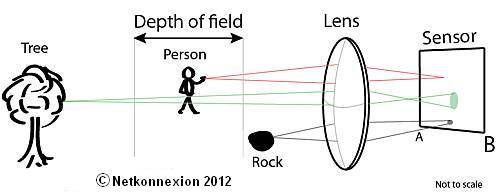
The edges of the image are defined by the point where the loss of sharpness becomes noticeable. Depth of filed is known as the 'Zone of acceptable sharpness'.
How to control the depth of field
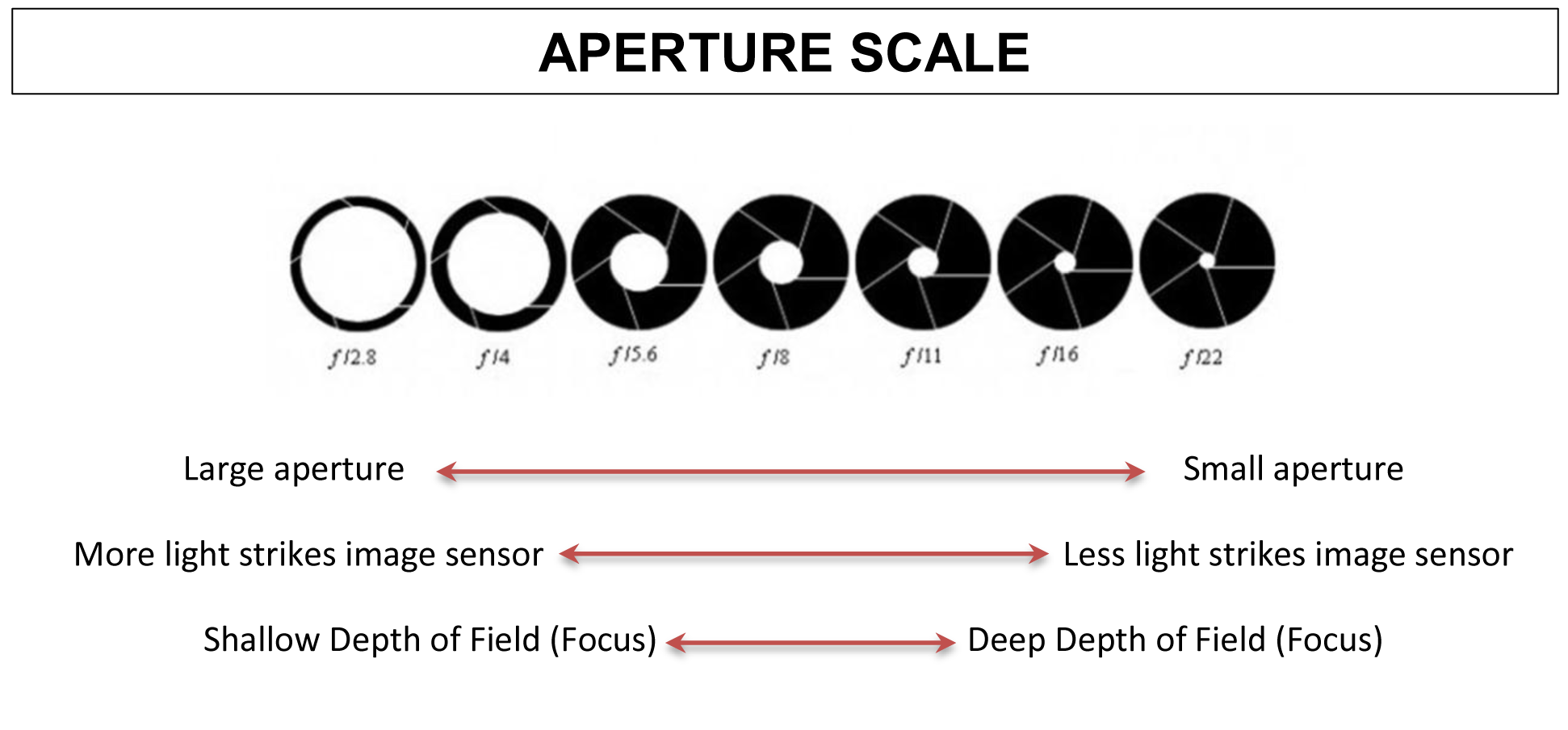
For control of the depth of field you will have to fiddle around with the aperture settings.
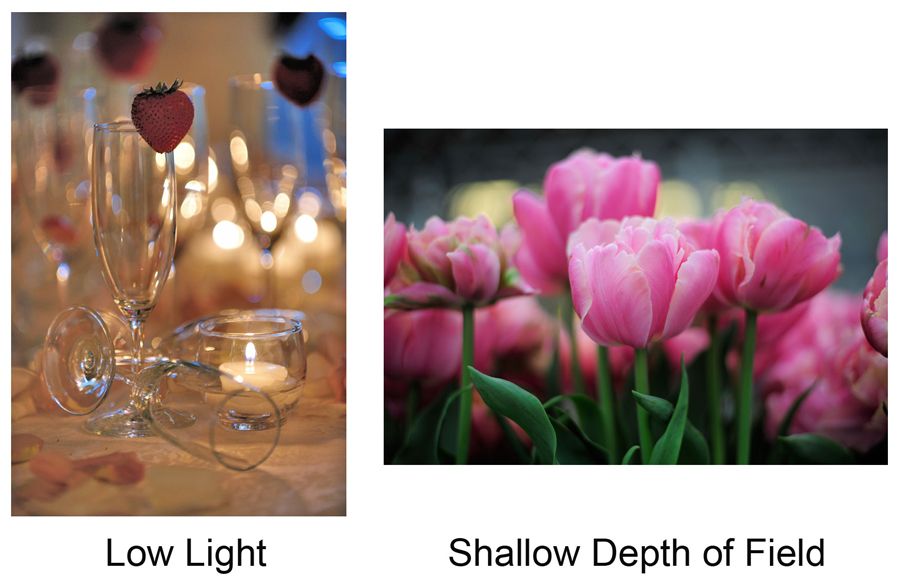
 For a shallow depth of field you will have to use a larger aperture size. As you can see in this image, the background is in focus and the subject in the foreground isn't. For me, a shallow depth of field is perfect for landscape photography.
A small aperture size gives a deep depth of field. the get different types of aperture sizes, it all depends on your camera lens and the elements inside.
Circle of confusion
The term ‘Circle of Confusion’ is used to define the ‘Depth of Field’.
when taking an image using DoF, we see the 'circle of confusion, which is small circle of sharpness. As the subject in the image starts to walk to the lens, the circle of confusion starts to gets gradually bigger, as the subject is on edge of the DoF, the focus becomes less apparent and the image becomes unfocused and un-sharp.
It will become more blurred as the subject continues to walk toward the lens. In other words, outside the DoF we see a larger circle of confusion overlapping with other points nearby creating a blurred area of the image.
Size Matters with the 'Circle of confusion'.
Size is the critical factor. An ‘acceptably sharp’ circle of confusion is defined as one which is unnoticed on an 8 x 10 inch print viewed from one foot away. In practice this works out to about 1/100th of an inch on that print size. Of course a different standard size would apply to different print sizes. Manufactures use these standards to create DoF markers for lenses.
In the modern digital camera we already have a standard preset for the circle of confusion on the sensor. In practice the individual pixel on the sensor makes a convenient focus-point definition. If the circle of confusion exceeds the size of one pixel it will start to affect the surrounding pixels and the sharpness will be lost.